More Images
.png)
.png)
More Images
More Images
More Images
More Images
More Images
More Images
More Images
More Images
No items found.
.jpeg)
.jpeg)
No items found.


A tour of the Jewish Cemetery of Athens: Memory as a living presence
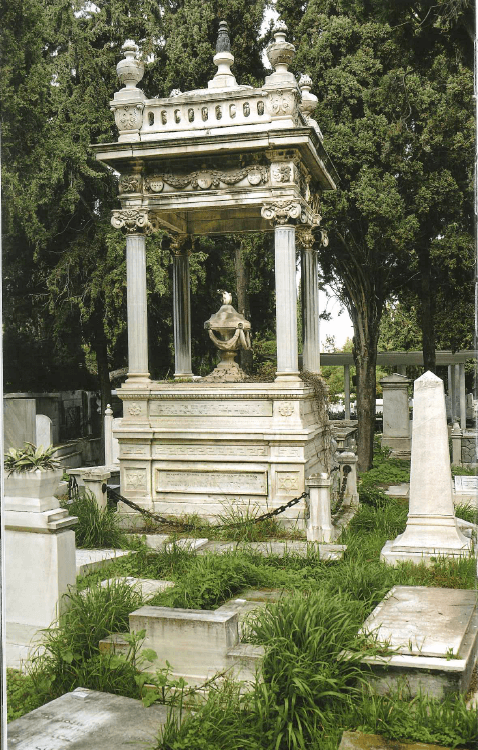
The Jewish Cemetery of Athens, with approximately 936 registered graves, is not just a place of rest. It is a living monument to the history of the city and the Jewish community, a place where memory and tradition converse with silence and respect.
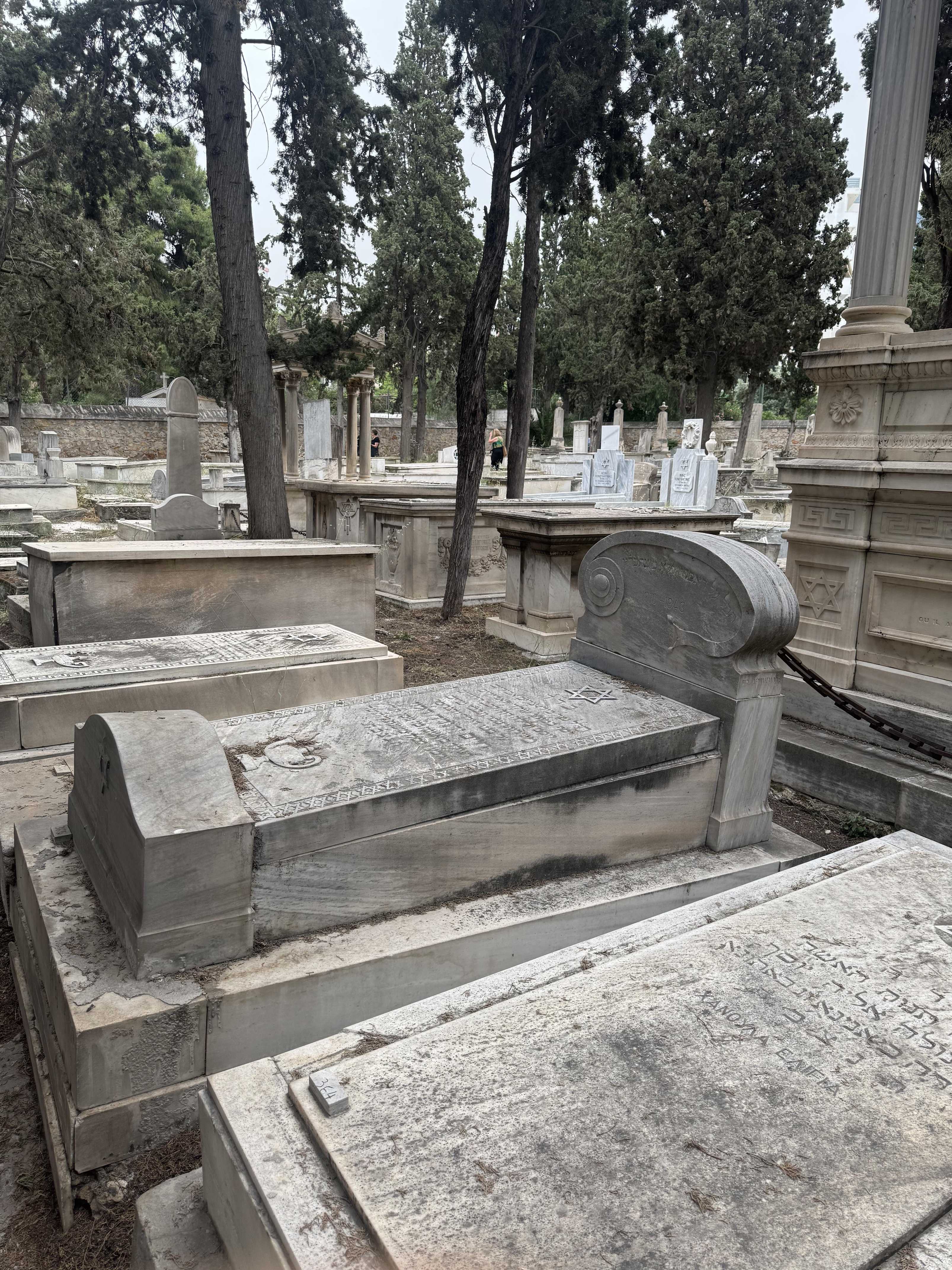
From the past to the present
The cemetery officially stopped accepting new burials after the 1950s. Since then, burials have been transferred to the Third Cemetery of Athens, with the exception of certain family graves that had already been granted.
Traditionally, in Jewish religious language, it is called Beit Hayim, meaning “House of Life” – a term that emphasizes spiritual continuity rather than the cessation of existence.
The term “cemetery” is considered more recent and less religiously charged.
Religious rules and respect for the space

The space is governed by the rules of Halacha. Behavior in the space is strictly defined:
Historical facts
The first official reference to the cemetery is made in 1861 in Monsen's topographical plan. However, it seems that it already existed earlier, on the outskirts of the church of St. Lazarus. The first burials are located in the upper part of the site, with the oldest recorded burial belonging to a woman in 1864.
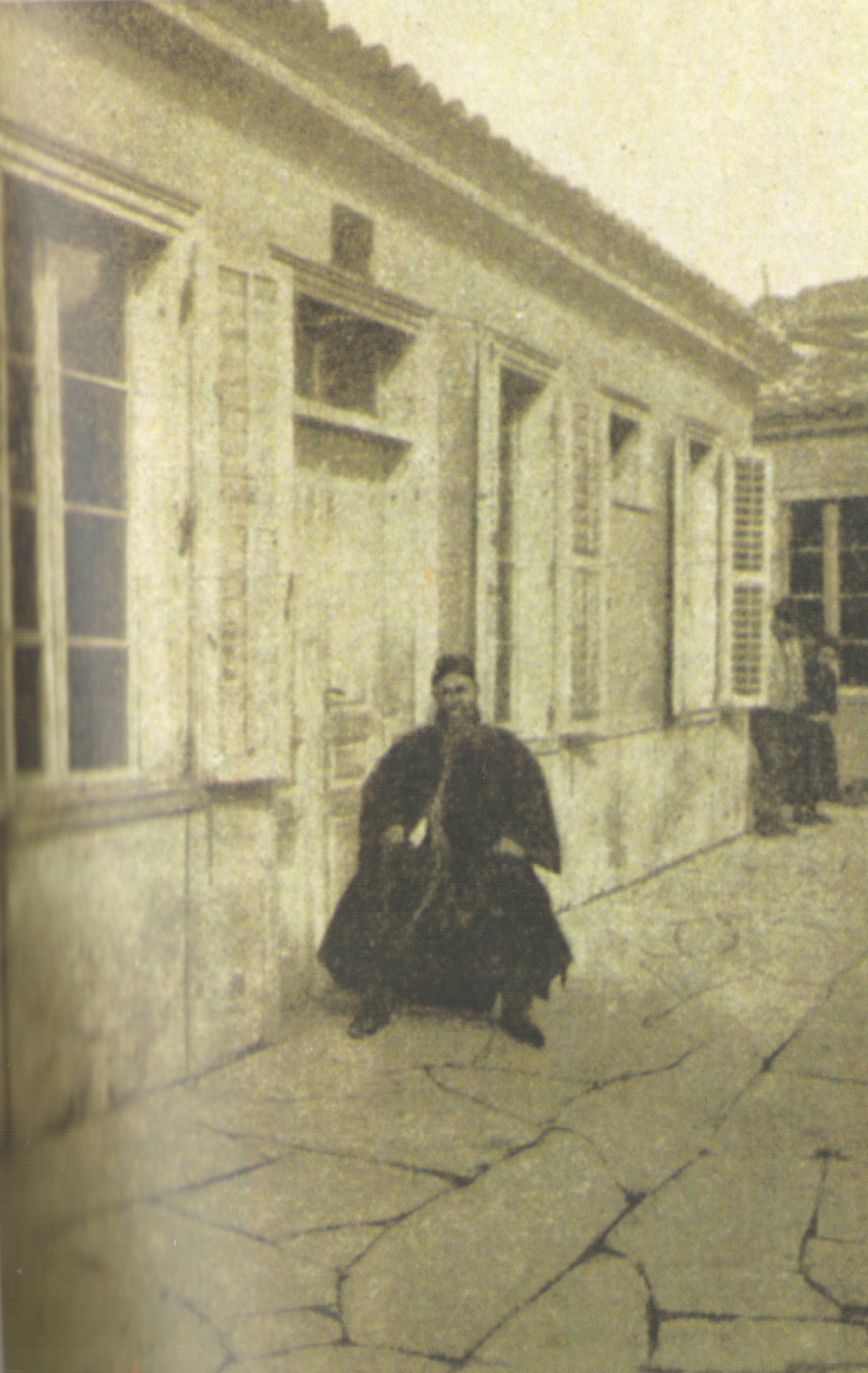
The building where the “Tara” (the ritual washing of the dead) was performed now serves as a shelter. In the lower part are burials from the Occupation and post-war periods, usually more modest, reflecting the difficult conditions of the time.
Notable people buried here
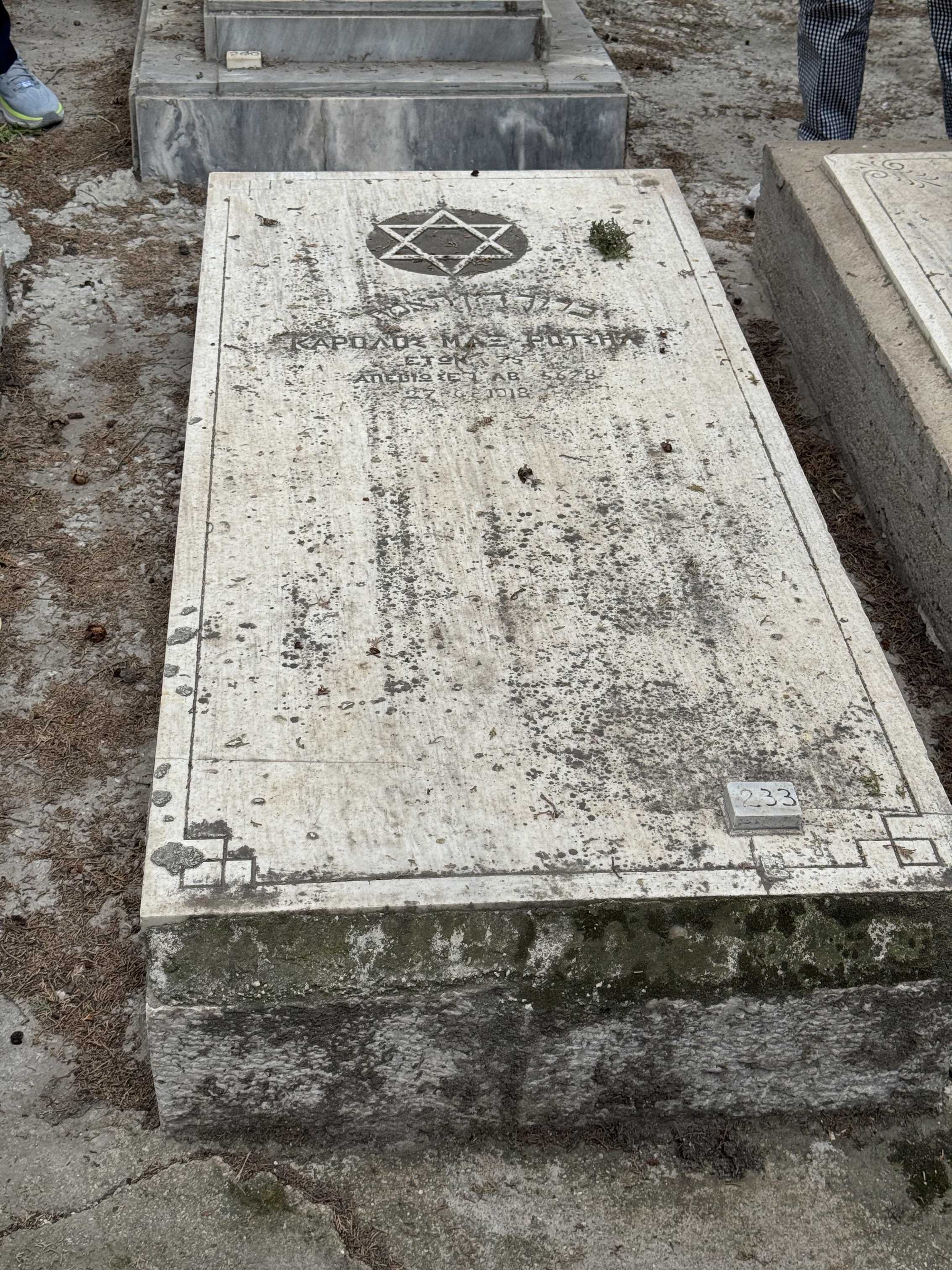
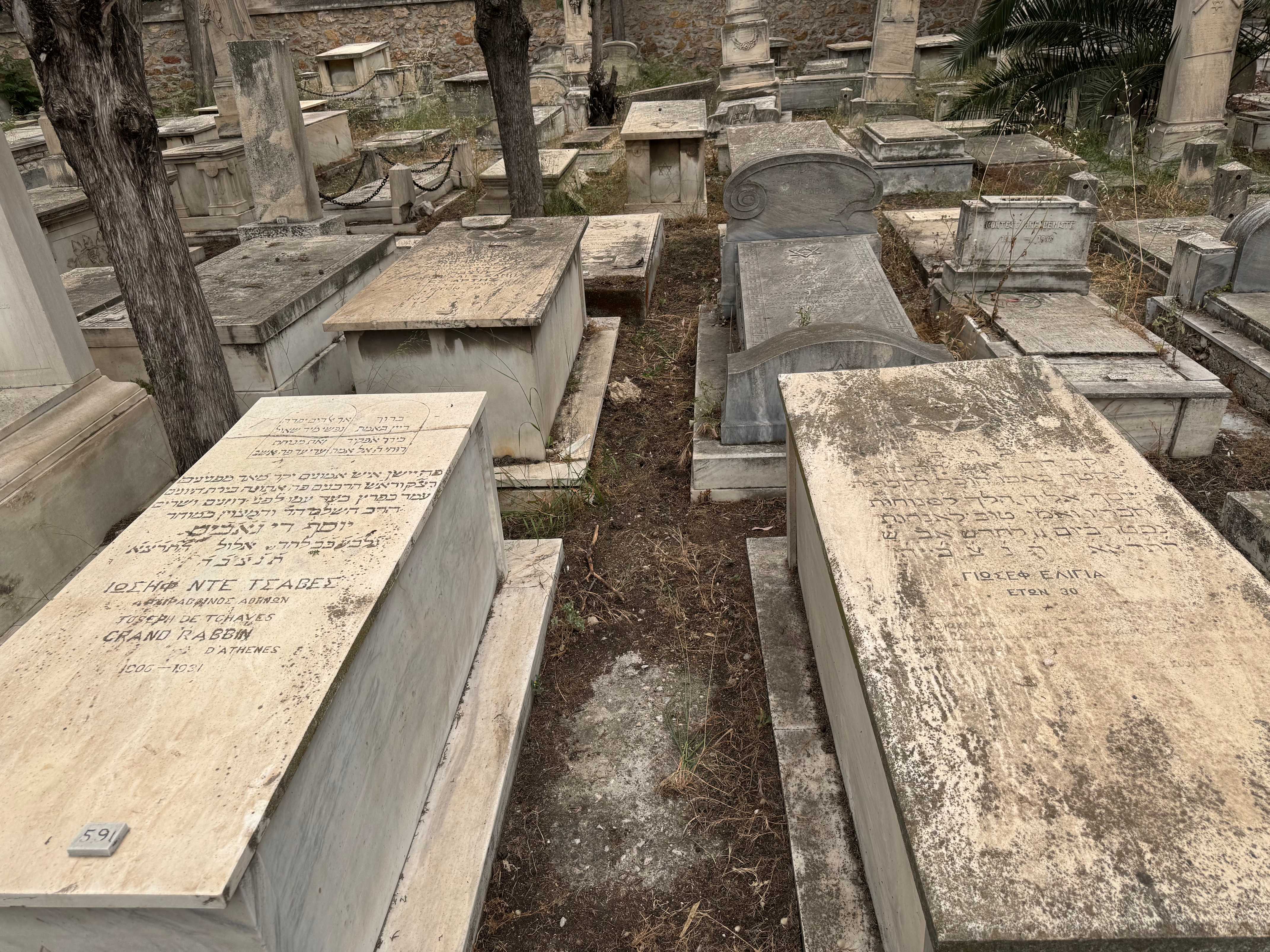
The cemetery contains the graves of important figures from the Jewish community and Greek culture. Among them are:
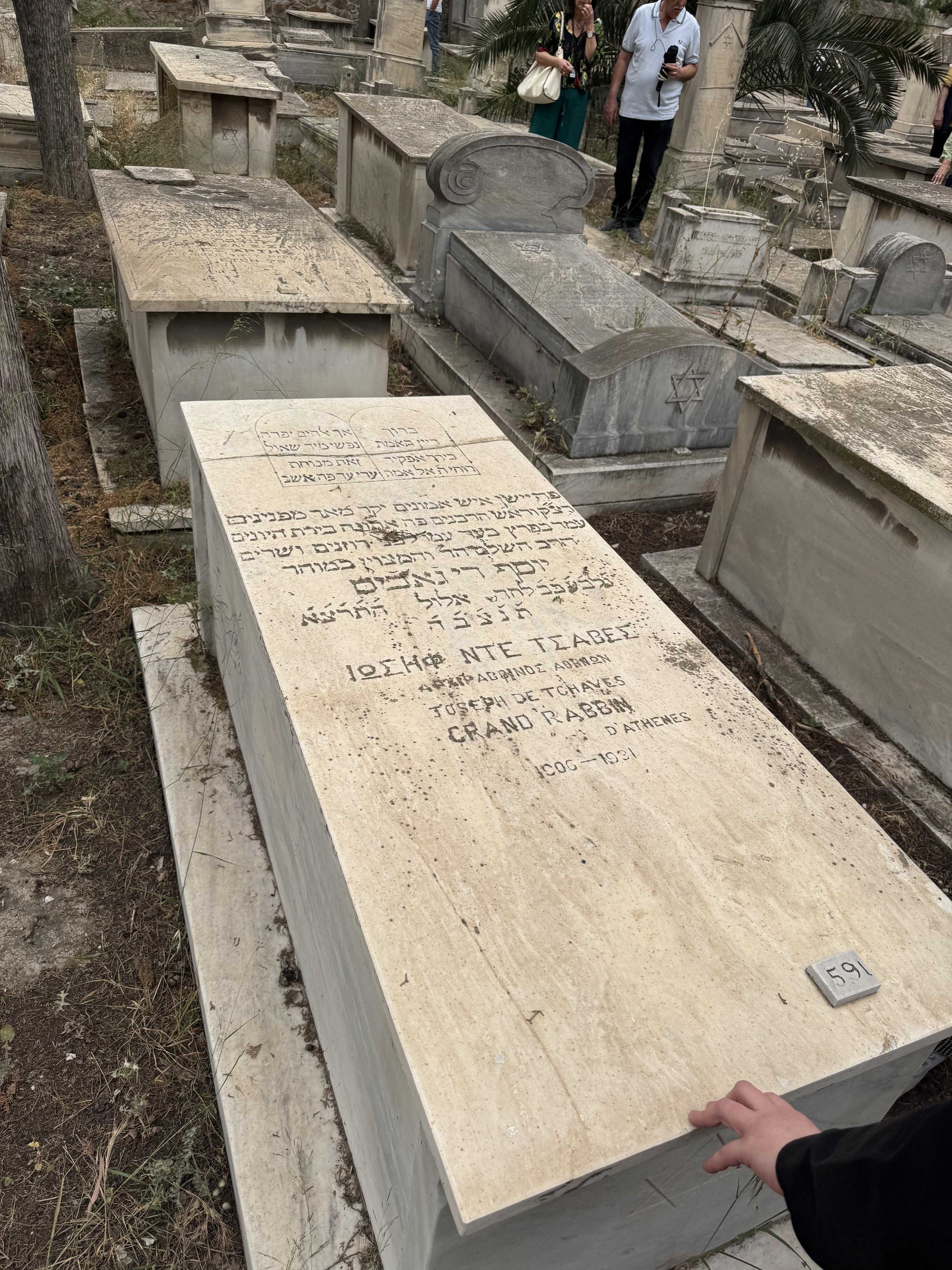
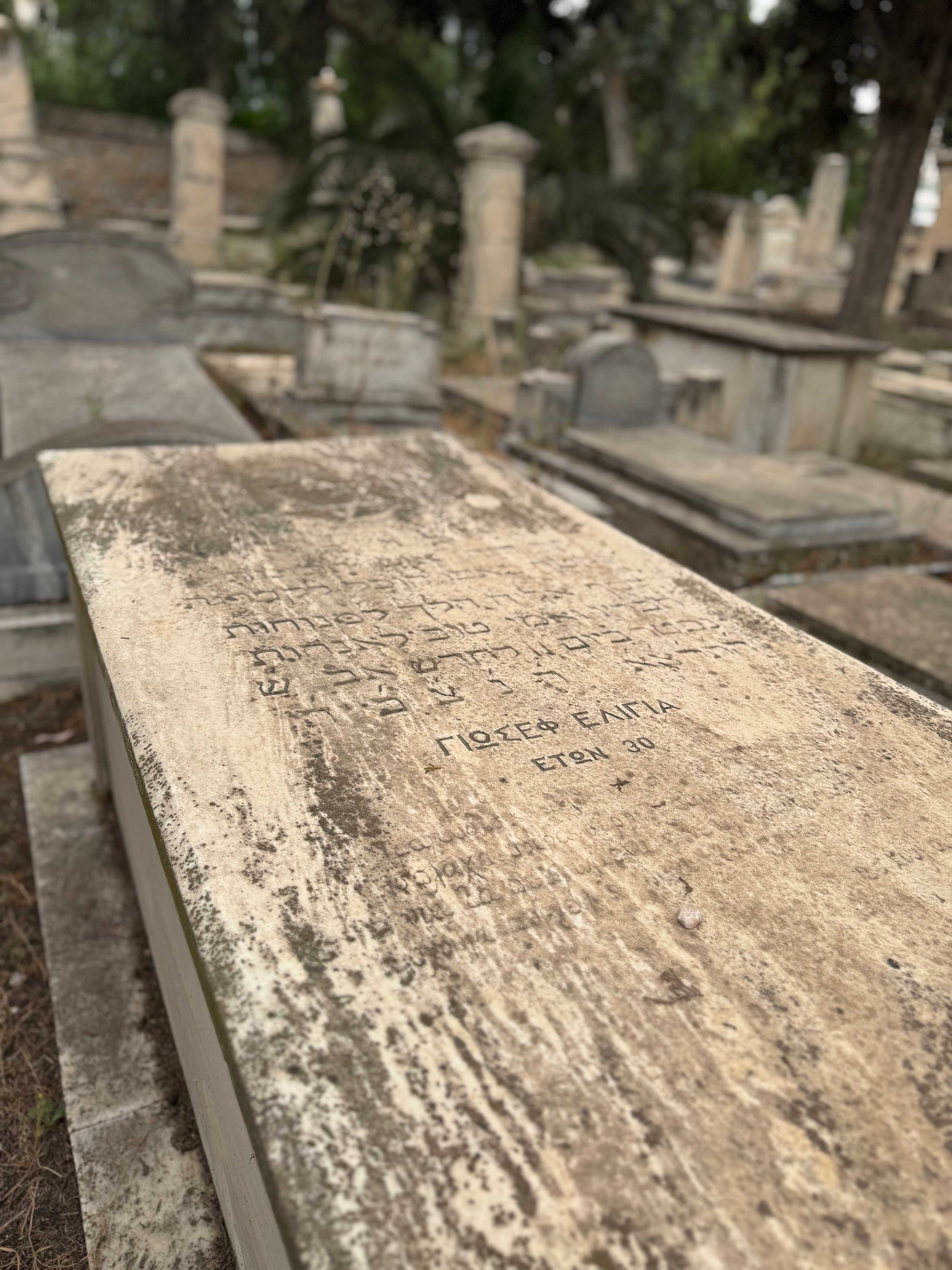
Multiculturalism in the community
Although Athens was mainly home to Sephardic and Romaniote Jews, the cemetery also bears witness to the presence of Ashkenazi Jews, such as the Amburger family, confirming the multicultural composition of the community.
Types of burial
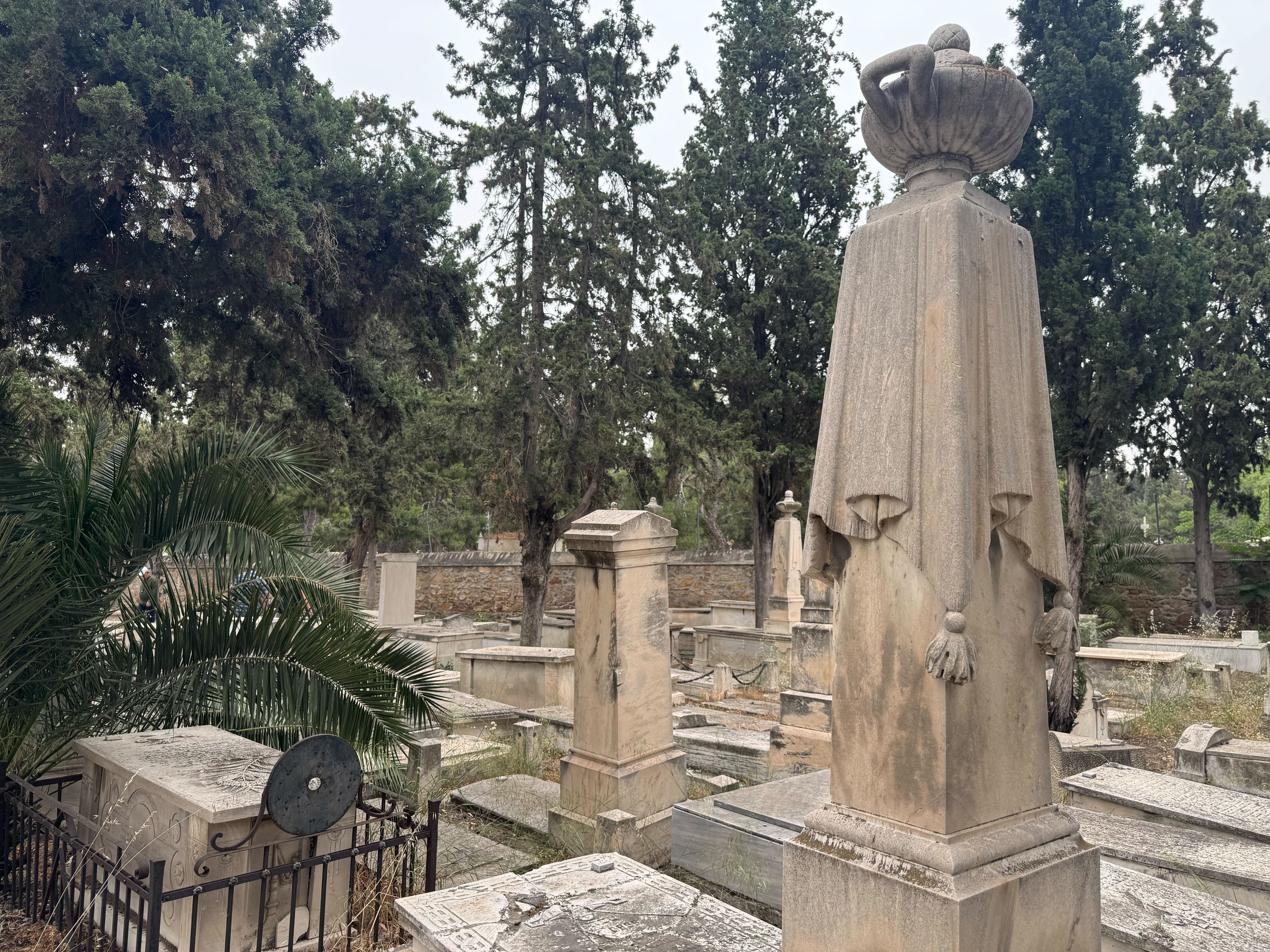
There are two basic types:
Symbols and inscriptions
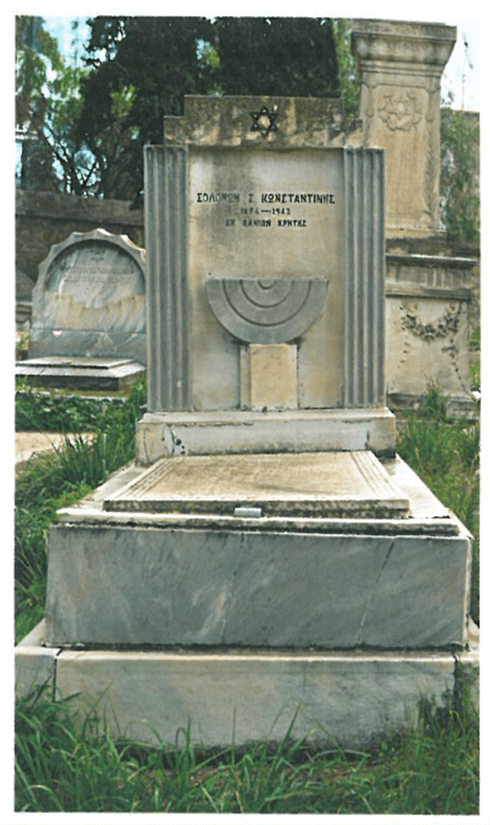
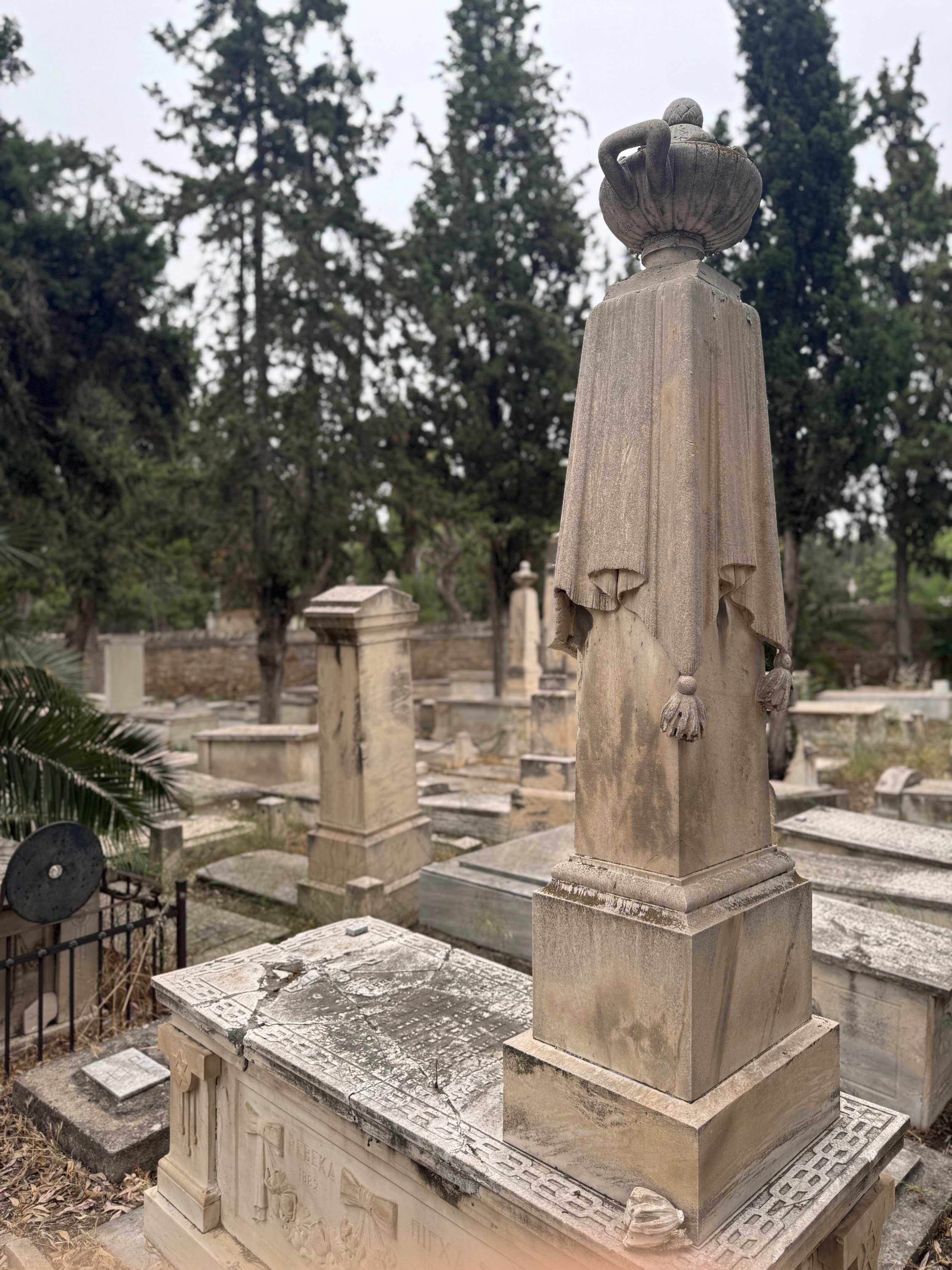
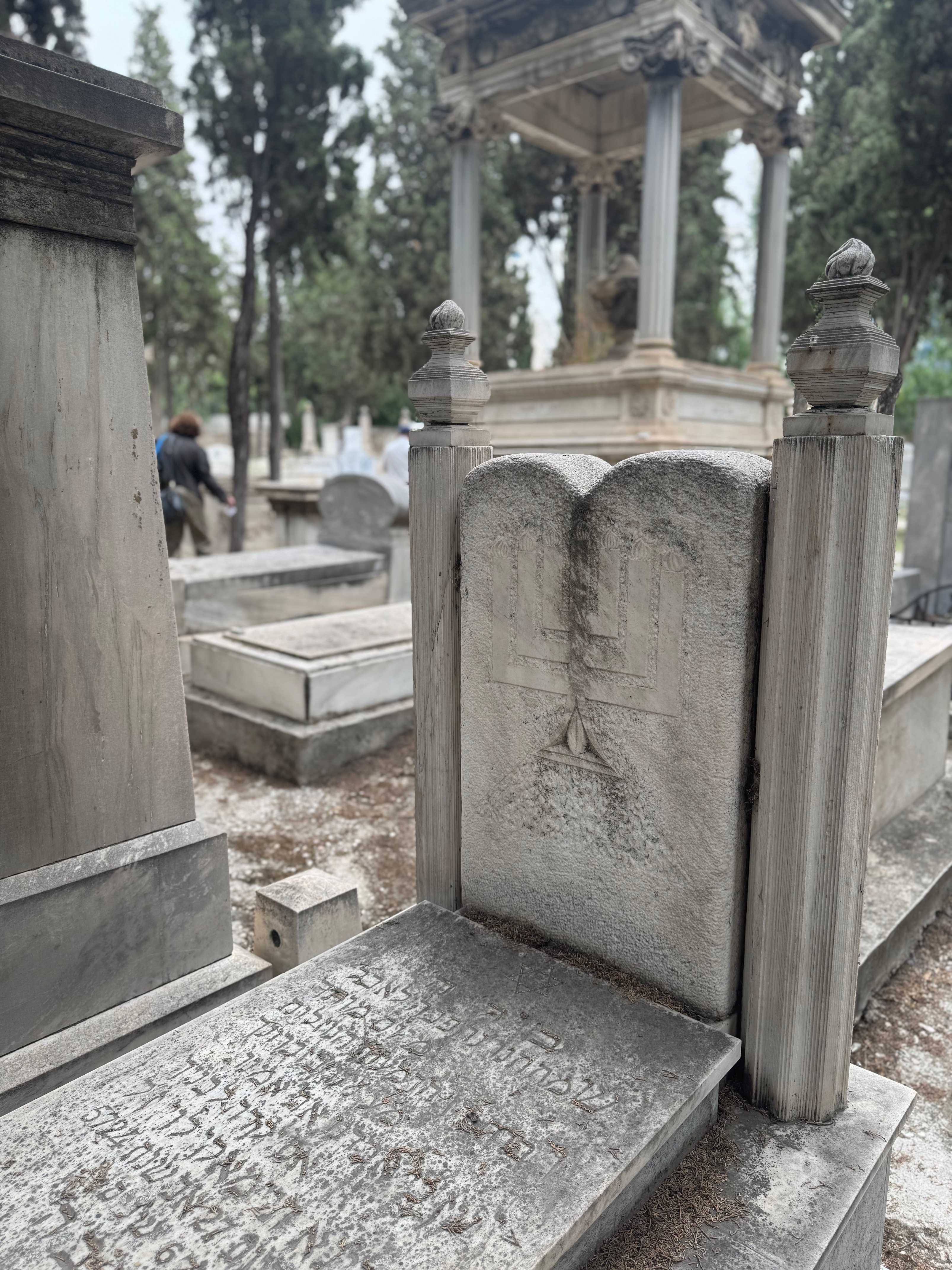
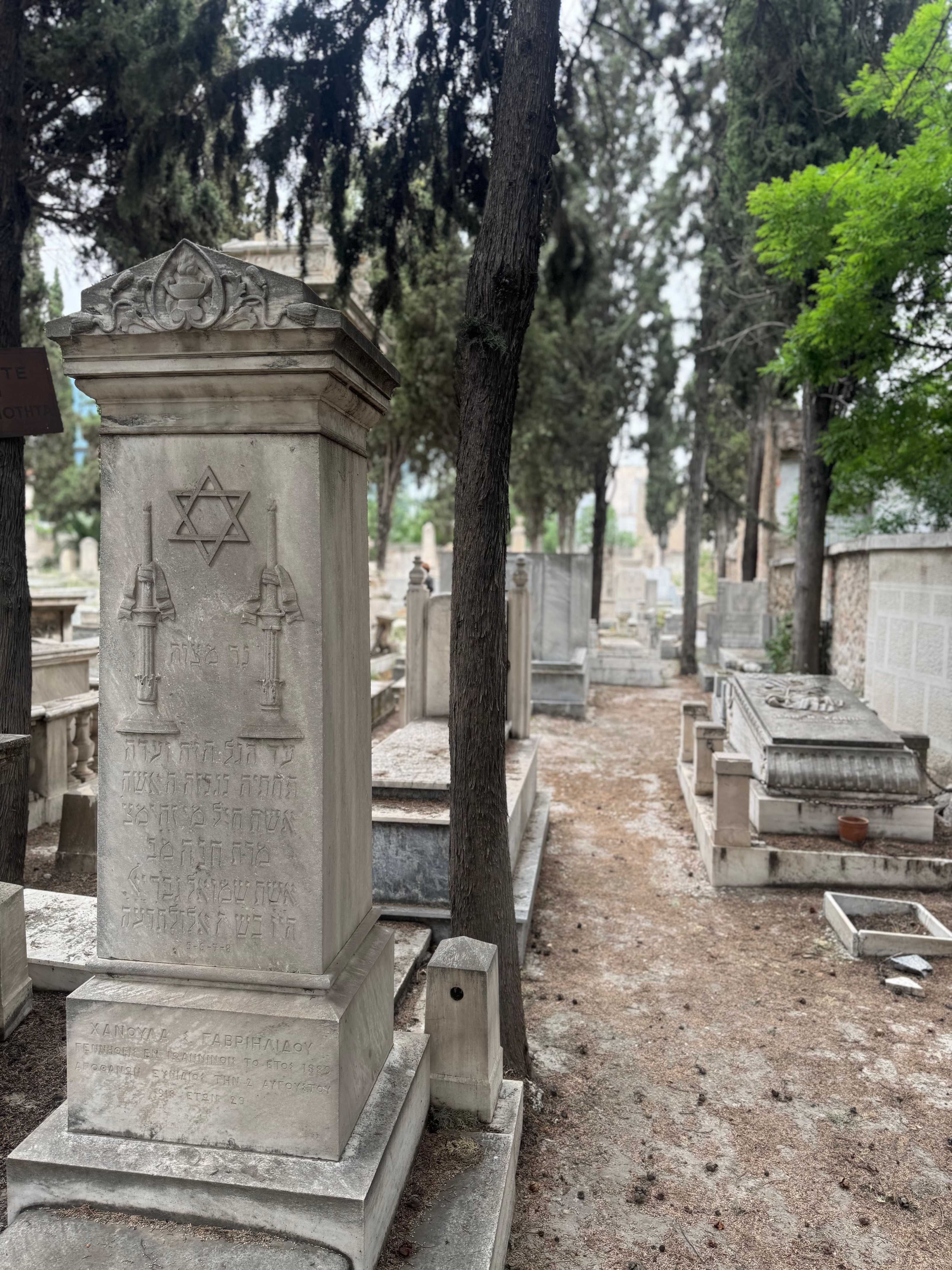
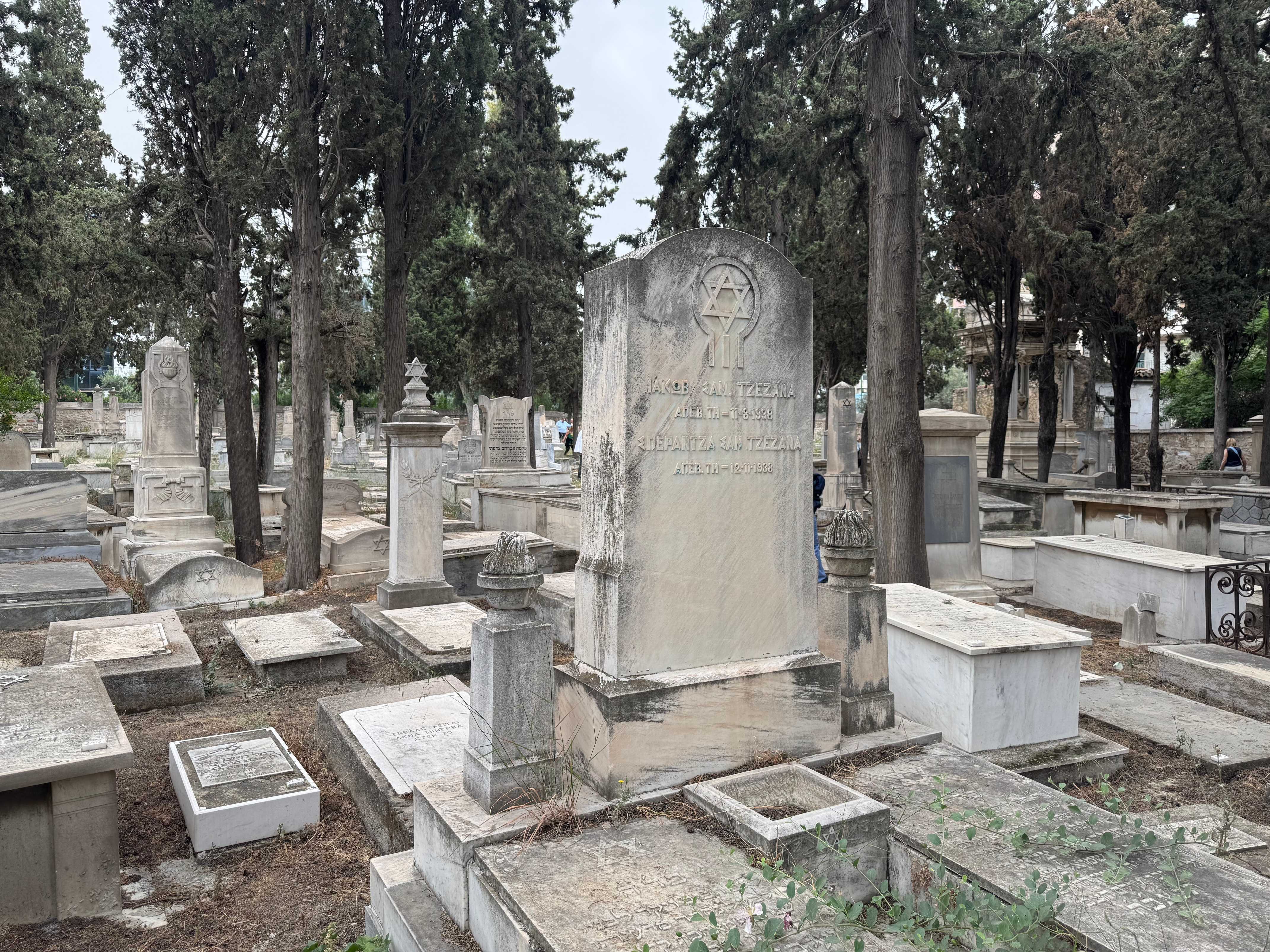
The space is filled with symbols and inscriptions that reflect both religious and folk traditions:

A secret passage
Of particular interest is a passage that is now closed, but during the Occupation was used by members of the Resistance as an escape route.
The Jewish Cemetery of Athens is not just a place of death. It is a place of living memory. A place that demands respect, understanding, and care, as it continues to speak—silently but eloquently—about the presence of the people who shaped the history and identity of the community.

.png)
.png)
.png)